How CPA Firms Can Scale with White-Label Accounting Services
ArrayCertified Public Accountant (CPA) firms face increasing pressure to manage growing client portfolios, meet reporting deadlines, maintain accounting accuracy, and deliver consistent service. As client demands increase, internal teams may struggle to balance routine bookkeeping, financial reporting, tax preparation, and higher-value advisory work.
Hiring additional employees can help, but recruitment, training, salaries, and employee retention require time and investment. For firms experiencing seasonal workload increases or steady client growth, expanding the internal team may not always be the most flexible solution.
This is where white-label accounting partnerships can help. They allow CPA firms to delegate selected accounting tasks to an external team while maintaining their own brand, client relationships, and review procedures.
With white label accounting services for CPA firms, businesses can increase their delivery capacity, manage workloads more effectively, and focus internal resources on client service and strategic growth.
In this guide, we explain how white-label accounting works, its key benefits, the services CPA firms can delegate, and the practical steps required to build a scalable accounting workflow.
What Are White-Label Accounting Services?
White-label accounting is a business arrangement in which an external accounting team completes agreed financial tasks that a CPA firm delivers to its clients under its own brand.
The external provider works according to the firm’s instructions, accounting procedures, software requirements, and reporting standards. The CPA firm generally retains control over the client relationship, final review, professional judgment, and client-facing communication.
Depending on the agreement, outsourced tasks may include bookkeeping, account reconciliation, accounts payable, accounts receivable, financial statement preparation, and tax-preparation support.
For example, a CPA firm managing 100 client accounts may find that monthly bookkeeping and reconciliation consume a significant portion of its employees’ time. An external team can help prepare the recurring accounting work, allowing the firm’s qualified professionals to review the results and focus on more complex client requirements.
The exact responsibilities must be defined in advance. Outsourcing preparation work does not automatically transfer professional obligations, approval authority, or regulatory responsibilities to the external provider.
Why CPA Firms Need Scalable Accounting Support
Growing an accounting practice requires more than attracting new clients. Firms must also ensure they have sufficient capacity to deliver accurate work within agreed deadlines.
Several challenges can make expansion difficult.
1. Increasing Client Workloads
As a CPA firm acquires more clients, the volume of transactions, financial records, reconciliations, and reporting requirements increases.
Without additional capacity or improved workflows, employees may struggle to complete recurring tasks on time. This can affect productivity and reduce the time available for client communication.
2. Rising Staffing Costs
Recruiting experienced accounting professionals involves salary expenses, training, onboarding, and ongoing employee management.
Smaller firms may find it difficult to maintain a large internal team when their workload changes throughout the year.
3. Seasonal Workload Fluctuations
Tax season and year-end reporting periods can create temporary increases in accounting workloads. A firm may need additional preparation capacity for several months without requiring the same level of staffing throughout the year.
4. Limited Time for Advisory Services
When experienced accountants spend most of their time on routine bookkeeping and data processing, they have fewer opportunities to focus on financial analysis, planning, and client relationships.
Delegating suitable preparation tasks can help firms make better use of their internal expertise.
How White-Label Accounting Helps CPA Firms Scale
White label accounting services for CPA firms can provide additional production capacity without requiring the firm to recruit every additional employee internally.
Here are several ways this approach can support business growth.
1. Increase Capacity Without Immediately Expanding Headcount
An external accounting team can handle agreed recurring tasks, helping firms manage additional client work when internal resources are limited.
For example, a CPA firm onboarding several small-business clients may assign routine bookkeeping and bank reconciliations to an external team. Its internal accountants can then review the work and address issues that require professional judgment.
The benefits depend on the provider’s capacity, service quality, and the firm’s ability to review completed work efficiently.
2. Improve Operational Efficiency
A clearly defined outsourcing workflow can help reduce repetitive tasks and improve the organization of accounting records.
When both teams follow consistent procedures, the firm can establish standard deadlines, documentation requirements, review checklists, and escalation processes.
This structure makes recurring work easier to manage as the client portfolio grows.
3. Manage Seasonal Demand
White-label partnerships can provide additional support during busy periods, depending on the provider’s availability and the agreed service arrangement.
CPA firms may use this support for bookkeeping backlogs, account reconciliations, workpaper preparation, and other defined tasks.
Planning capacity in advance helps firms avoid last-minute staffing pressure and establish realistic delivery schedules.
4. Focus on Higher-Value Client Services
Delegating routine preparation work can create more time for internal accountants to focus on activities such as financial analysis, business planning, and client advisory services.
However, the time saved depends on how effectively the firm manages the handoff, review, and communication processes.
5. Support Business Growth
With an appropriate delivery model, CPA firms may be able to accept additional clients without immediately expanding their internal team for every new engagement.
Before increasing the client portfolio, firms should confirm that their external provider has sufficient capacity and that internal reviewers can maintain quality standards.
Which Accounting Tasks Can CPA Firms Outsource?
The best tasks to outsource are generally repeatable, clearly defined, and supported by appropriate documentation.
Bookkeeping and Transaction Recording
External teams may record transactions, categorize expenses, maintain ledgers, and organize financial records according to the firm’s accounting procedures.
Consistent coding rules and documentation requirements help ensure that the work is ready for review.
Bank and Credit Card Reconciliation
Account reconciliation involves comparing accounting records with bank or credit card statements and identifying differences.
A preparation team can investigate unmatched transactions, document outstanding items, and prepare reconciliations for internal review.
Accounts Payable and Accounts Receivable
Depending on the agreed scope, outsourced staff may help record vendor invoices, maintain payment schedules, track customer balances, and prepare accounts receivable reports.
Payment approvals and other sensitive responsibilities should remain with the individuals authorized by the firm.
Financial Statement Preparation
External accountants may prepare draft financial statements, supporting schedules, and month-end reports for review.
The CPA firm’s reviewer should verify the figures, investigate unusual balances, and approve the final deliverables before they are provided to clients.
Tax-Preparation Support
Some providers offer tax-preparation assistance, including organizing source documents, preparing supporting schedules, and assembling draft returns.
Tax work requires particular care. Firms must confirm applicable confidentiality, disclosure, consent, licensing, and filing requirements before assigning these tasks. Final tax positions, professional review, signing, and filing responsibilities must be clearly allocated to appropriately authorized individuals.
How to Implement a White-Label Accounting Workflow
Successful outsourcing requires a structured process rather than simply transferring files to an external team.
Step 1: Identify Your Business Requirements
Start by reviewing the tasks consuming the most internal time. Identify recurring workloads, current bottlenecks, deadlines, and areas where additional support would be most useful.
Choose an initial scope that is manageable and easy to evaluate.
Step 2: Define Roles and Responsibilities
Establish who will prepare transactions, investigate discrepancies, review work, approve adjustments, and communicate with clients.
Document which activities the external team can perform independently and which require approval from the CPA firm.
Step 3: Establish Software and Access Requirements
Confirm which accounting platforms, document management systems, and communication tools will be used.
Provide access according to each person’s responsibilities. Use appropriate authentication, permissions, secure file-sharing processes, and procedures for removing access when it is no longer required.
Step 4: Create Standard Operating Procedures
Document the firm’s accounting methods, chart of accounts, reporting formats, deadlines, and review requirements.
Standard operating procedures help external staff understand how work should be completed and reduce inconsistencies between different client files.
Step 5: Start With a Pilot Project
Before transferring a large volume of work, test the arrangement with a limited number of client accounts or a defined accounting task.
Evaluate accuracy, turnaround time, communication, documentation quality, and the amount of internal review required.
Step 6: Monitor Quality and Expand Gradually
Track recurring issues, missing documents, correction requests, and reporting delays.
Once the initial workflow operates consistently, consider expanding the scope to additional clients or accounting tasks.
How to Choose the Right White-Label Accounting Partner
Choosing a suitable provider is essential for protecting client relationships and maintaining accounting quality.
Before entering an agreement, evaluate the following factors:
- Relevant experience: Check the provider’s experience with your accounting tasks, client types, and software.
- Service scope: Confirm which tasks are included and which remain the firm’s responsibility.
- Quality control: Understand how work is reviewed before it reaches your internal team.
- Communication: Establish response times, escalation procedures, and reporting schedules.
- Data security: Review confidentiality agreements, access controls, data handling, and incident-response procedures.
- Capacity: Confirm that the provider can manage your expected workload and accommodate future changes.
- Pricing: Compare service fees with the total cost of internal review, corrections, software, and coordination.
- Compliance: Determine the applicable professional and legal requirements, particularly when handling sensitive tax information or working across jurisdictions.
A strong partnership should support the firm’s processes rather than force the firm to change its entire operating model unnecessarily.
How Accountant Anywhere Can Support Accounting Firms
Accountant Anywhere provides outsourced accounting support for accounting firms, including bookkeeping, financial statement compilation, tax-return preparation support, payroll processing, and management accounting services, depending on the agreed scope.
Its accounting-firm services are designed to help businesses address staffing and operational capacity challenges while allowing their internal teams to focus on client service and growth.
If your firm is evaluating external accounting support, review the available services, software compatibility, delivery procedures, data-security arrangements, and review responsibilities before selecting a provider.
Frequently Asked Questions
1. What are white-label accounting services for CPA firms?
These services involve an external team completing agreed accounting tasks that a CPA firm delivers under its own brand. The CPA firm generally retains the client relationship, final review, and professional responsibilities assigned to it.
2. Can white-label accounting help a CPA firm serve more clients?
It can provide additional preparation capacity for recurring accounting tasks. The number of additional clients a firm can serve depends on transaction volume, provider capacity, internal review resources, and the complexity of each engagement.
3. Which accounting tasks are suitable for outsourcing?
Common options include bookkeeping, bank reconciliations, accounts payable, accounts receivable, financial statement preparation, and selected tax-preparation support. The appropriate scope depends on the firm’s needs and applicable requirements.
4. How can CPA firms maintain quality when outsourcing?
Firms can establish documented procedures, assign clear responsibilities, use review checklists, monitor turnaround times, and investigate recurring errors. A pilot project can help evaluate the provider before the arrangement expands.
5. Is white-label accounting suitable for small CPA firms?
It may be suitable for small firms that need additional accounting capacity but do not want to hire a full internal team. Firms should compare the total cost and management effort with the benefits of additional support.
6. What should a CPA firm check before outsourcing tax work?
The firm should verify the provider’s experience, confidentiality arrangements, data-security procedures, applicable disclosure and consent requirements, and the responsibilities for review, signing, and filing. Requirements vary depending on the type of work and relevant jurisdiction.
Conclusion
Scaling a CPA firm requires a balance between client acquisition, operational efficiency, accounting accuracy, and professional oversight.
White-label partnerships can help firms manage recurring workloads, improve capacity planning, and free internal professionals to focus on client relationships and higher-value services.
The most effective approach begins with a clearly defined scope, secure systems, documented procedures, and a reliable review process. Firms should test the workflow, measure its performance, and expand only when quality and turnaround meet their expectations.
By choosing the right partner and establishing clear responsibilities, white label accounting services for CPA firms can become a practical part of a long-term growth strategy.
Explore Accounting Support for Your Firm
If your accounting practice needs additional capacity, explore Accountant Anywhere’s accountants for accounting firms service page to learn more about its outsourced accounting support.
You can also visit Accountant Anywhere to explore its wider accounting services and solutions.
Ready to discuss your requirements? Contact Accountant Anywhere to arrange a conversation about your firm’s accounting workload, support requirements, and potential next steps.

Related Posts
Medical Practice Bookkeeping: A Guide to Financial Reporting
Learn More
Outsourced Accounting Services for US Small Businesses: What to Evaluate
Learn More
Rental Income vs Operating Expenses: A Property Manager’s Guide
Learn More
How to Manage Accounts Payable for Multiple Rental Properties
Learn More
Common Property Management Bookkeeping Mistakes and How to Avoid Them
Learn More
When Should a Growing Business Hire a Fractional CFO?
Learn More
Real Estate Accounting Reports Every Property Manager Should Track
Learn More
How CPA Firms Can Scale with White-Label Accounting Services
Learn More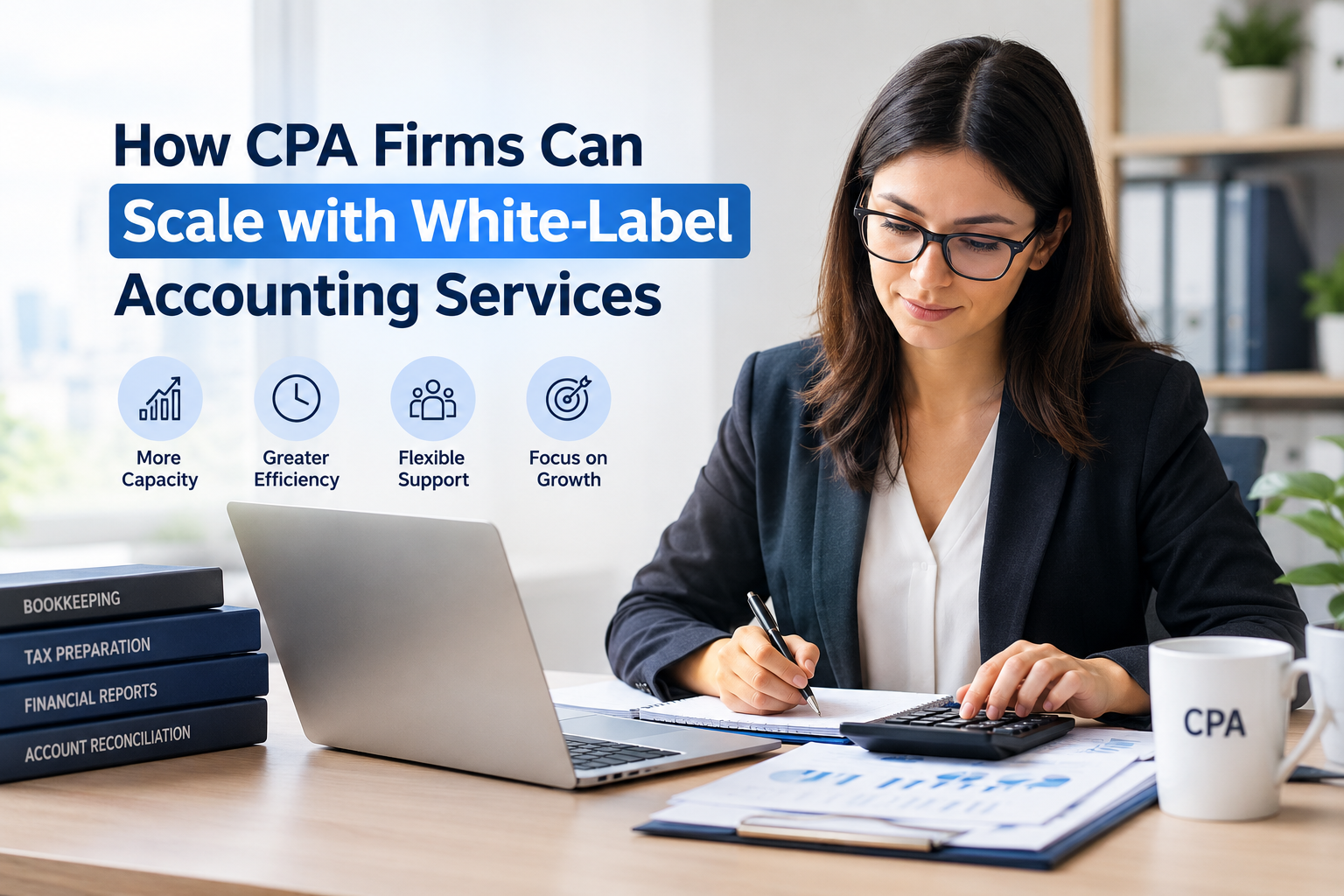
Property Management Accounting Software: Yardi vs AppFolio Workflows
Learn More
In-House vs Outsourced Real Estate Bookkeeping: Cost and Benefits
Learn More